
Why is sleep so important for our health?
Sleeping well is not a luxury; it is a vital biological process. During sleep, the body repairs tissues, strengthens the immune system, consolidates memory, regulates appetite, and allows the heart to rest. That’s why the American Academy of Sleep Medicine recommends that adults get 7 hours or more of sleep each night; consistently getting less sleep is associated with high blood pressure, type 2 diabetes, being overweight, anxiety, and depression.
During sleep, the body doesn't simply "shut down"; it activates complex mechanisms for repair and balance. However, in a society marked by high work demands and prolonged screen use, sleep deprivation has become a public health issue: according to data from the U.S. Centers for Disease Control and Prevention (CDC), more than one-third of adults regularly sleep less than 7 hours. In this article, we explain the real impact of rest on your physical and mental health, and when sleep deprivation requires medical attention.

Physical Recovery and the Immune System
During the deep stages of sleep, the body releases key hormones, such as growth hormone, which is necessary for tissue regeneration, muscle repair, and cell synthesis.
The immune system also uses sleep to release cytokines, proteins that help fight infections, inflammation, and pathogens. Sleeping less than the recommended amount weakens the immune response, leaves the body more vulnerable to infectious diseases, and slows down recovery times.
Cardiovascular Health: Blood Pressure and Heart Rate
During nighttime rest, heart rate and blood pressure naturally decrease, allowing the cardiovascular system to rest. Chronic sleep deprivation keeps the sympathetic nervous system activated, leading to high blood pressure and increased vascular inflammation.
Several clinical studies link prolonged insomnia and poor sleep quality to an increased risk of:
- High blood pressure.
- Coronary artery disease.
- Strokes.
- Cardiac arrhythmias.
Brain Function, Mental Health, and Concentration
The brain uses sleep to reorganize the information learned during the day, consolidate long-term memory, and eliminate accumulated toxins through the so-called glymphatic system. Lack of rest directly affects cognitive function and emotional well-being, and manifests itself in:
- Reduced concentration, mental agility, and decision-making ability.
- Mood swings, irritability, and increased susceptibility to stress.
- Increased risk of developing anxiety and depression.
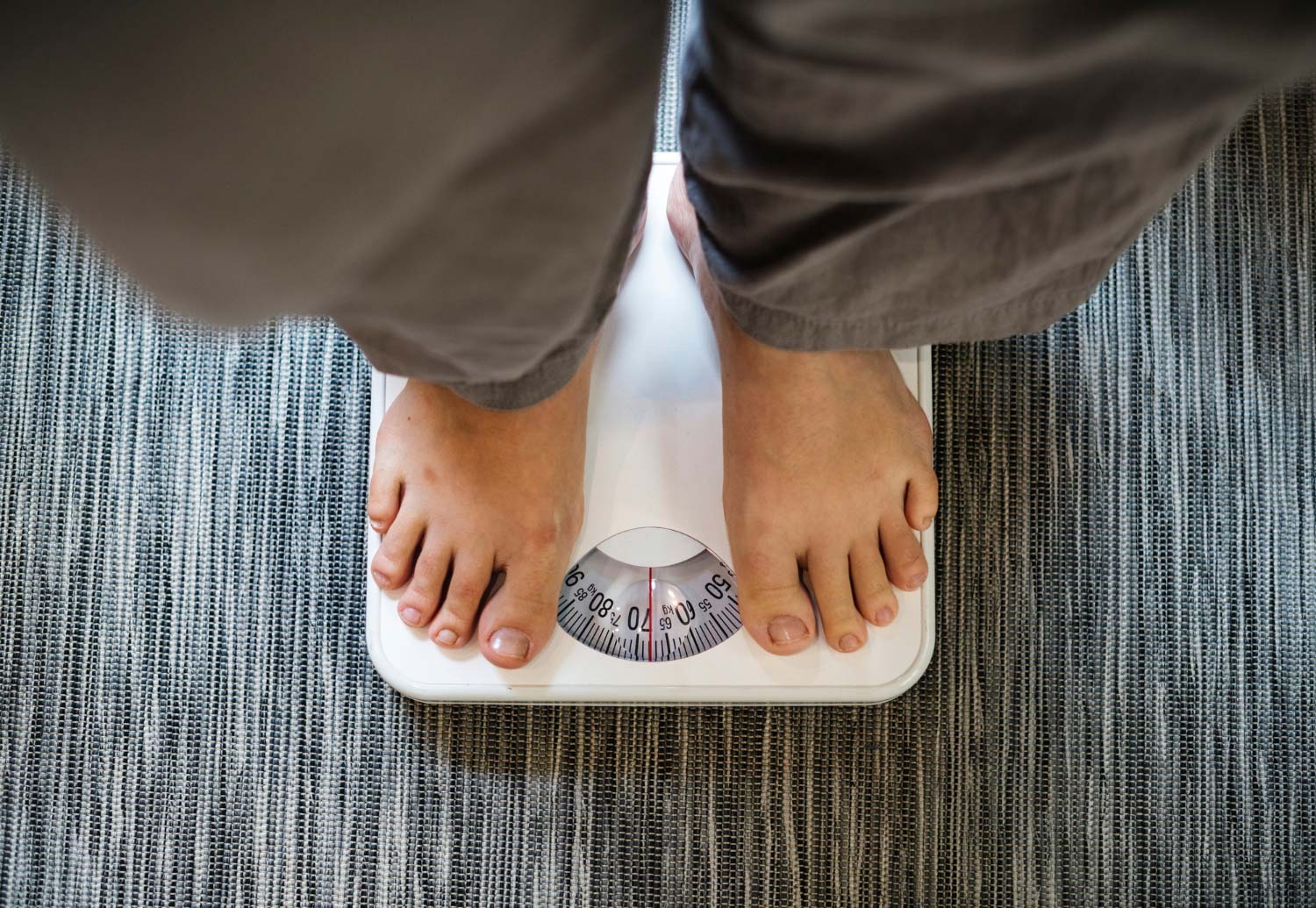
Metabolic Control and Body Weight Regulation
Sleep regulates two essential appetite hormones: ghrelin, which stimulates hunger, and leptin, which signals satiety. When you don't get enough sleep, ghrelin levels rise and leptin levels fall, leading to a greater desire to consume high-calorie, carbohydrate-rich foods.
In addition, lack of rest disrupts insulin sensitivity, raises blood glucose levels, and increases the risk of insulin resistance, being overweight, and type 2 diabetes. If you’d like to learn more, check out how your habits affect your risk of diabetes.
How many hours should you sleep?
Sleep needs vary by age, but for adults, the medical recommendation is 7 to 8 hours of restful sleep each night. Here are some habits that can help you achieve this:
- Go to bed and wake up at the same time, even on weekends.
- Avoid screens for at least 30 to 60 minutes before bedtime.
- Keep the bedroom dark, quiet, and cool.
- Avoid caffeine in the afternoon and heavy meals in the evening.
- Engage in regular physical activity, preferably not right before bedtime.
When should you see a doctor for sleep problems?
Sleep problems may be caused by metabolic, cardiovascular, respiratory, or neurological factors that require a structured medical evaluation. You should consult a doctor if:
- Do you have trouble sleeping, or do you wake up several nights a week for weeks or months at a time?
- You snore loudly, or someone notices that you pause while breathing as you sleep.
- You feel excessively sleepy during the day even though you've slept enough.
- You wake up with a headache or feeling like you didn't get a good night's sleep.
- Lack of sleep affects your mood, your work, and your safety while driving.
At Manta Hospital Center, a medical team can evaluate the underlying cause of sleep disorders, with the support of clinical laboratory and imaging services all in one place.
Frequently Asked Questions About Sleep and Health
How many hours should an adult sleep? The recommendation for adults is to get 7 hours or more of sleep each night—ideally between 7 and 8 hours of restful sleep. Consistently getting less sleep is associated with an increased risk of high blood pressure, type 2 diabetes, being overweight, difficulty concentrating, anxiety, and depression.
What happens to my body if I don't get enough sleep? Lack of sleep weakens the immune system, keeps blood pressure higher, disrupts appetite hormones (more ghrelin and less leptin), and reduces insulin sensitivity. In the long term, it increases the risk of cardiovascular and metabolic diseases.
Can poor sleep raise blood pressure? Yes. During sleep, blood pressure and heart rate naturally drop. When sleep is insufficient, the sympathetic nervous system remains active, which raises blood pressure and promotes vascular inflammation, increasing the risk of hypertension.
When should I seek medical advice for insomnia or snoring? Seek medical advice if you have insomnia several nights a week for weeks on end, if you snore loudly with pauses in your breathing, or if you feel very sleepy during the day. These signs may indicate metabolic, respiratory, or neurological causes that require medical evaluation.
Sleeping well is the first step to living better
If sleep has become a problem, don't just accept it as normal. A timely evaluation can identify the cause and improve your quality of life.
📞 Request information:
- Phone: 098 347 7365
- WhatsApp: Message us
Related Articles
- 📄 How Do Your Habits Affect Your Risk of Diabetes?
- 📄 High Blood Pressure: Symptoms, Risks, and Management in Manta
- 📄 Chronic Diseases in Manta: Prevention and Control
Sources Cited
- American Academy of Sleep Medicine (AASM) and Sleep Research Society — Seven or more hours of sleep per night are essential for adults’ health: https://www.prnewswire.com/news-releases/siete-o-mas-horas-de-sueno-por-noche-son-una-necesidad-para-la-salud-de-los-adultos-505745411.html
- National Heart, Lung, and Blood Institute (NHLBI) — Sleep and Heart Health: https://www.nhlbi.nih.gov/es/salud/vida-cardiosaludable/sueno
- MedlinePlus Magazine — Infographic on Sleep: https://magazine.medlineplus.gov/images/uploads/multimedia/Infographicsu18sleepes.pdf


