
Osteoporosis is a silent disease: it doesn’t hurt or give any warning signs, and it’s often diagnosed in the harshest way possible—when a fall in the bathroom or a misstep on the sidewalk results in an unexpected hip or wrist fracture. The good news is that it can be prevented and detected early through healthy habits and a bone density test, a quick and painless exam available in Manta.
World Osteoporosis Day is observed every October 20, and it’s a good time to talk about it before that blow comes. According to the International Osteoporosis Foundation (IOF), one in three women and one in five men over the age of 50 will suffer a fracture due to osteoporosis; in fact, a fragility fracture occurs somewhere in the world every 3 seconds. In this article, we explain what happens inside your bones, who should be most vigilant, and what you can do starting today to protect your bone health.
What's going on inside your bones?
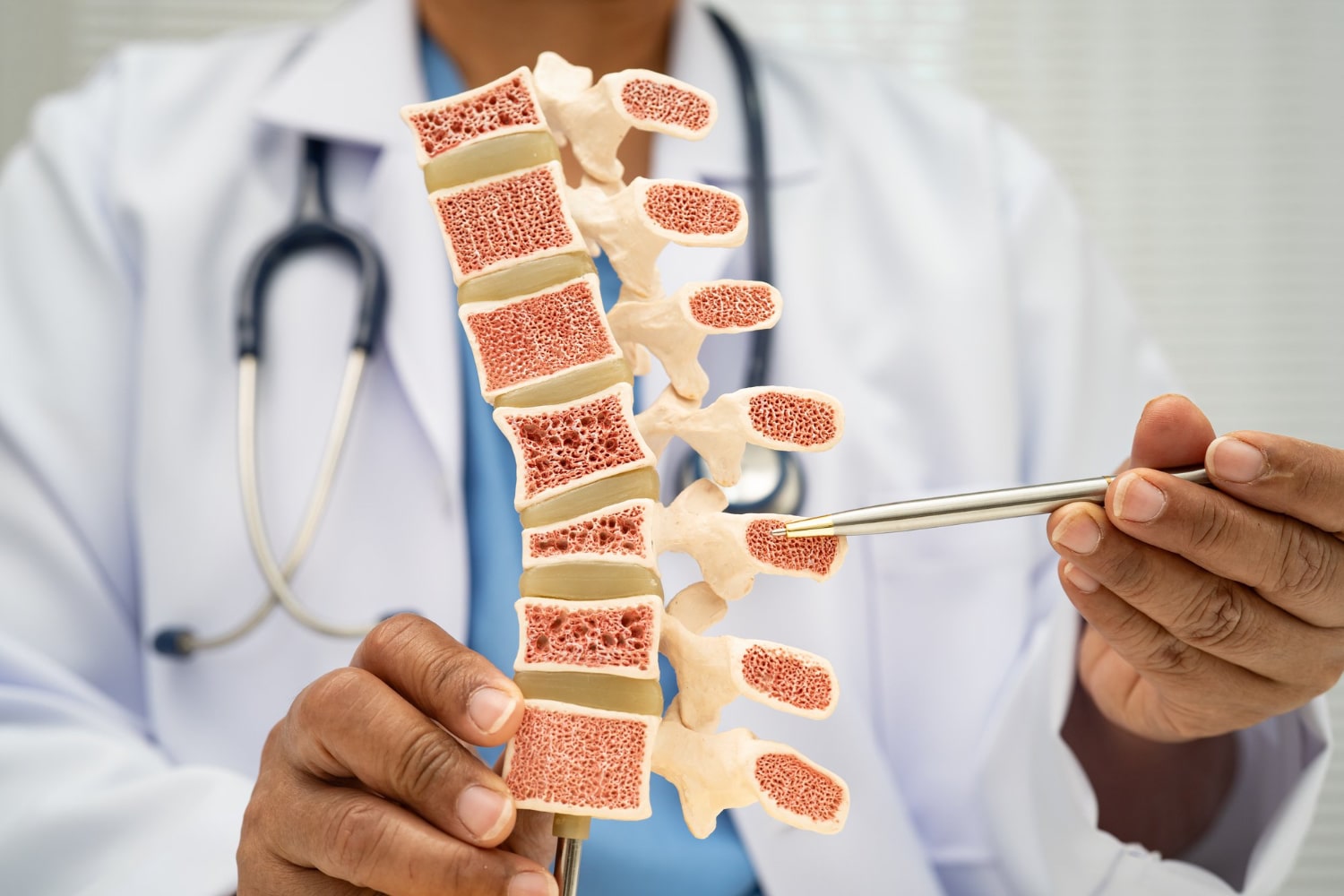
Although they may seem like rigid structures, bones are living tissue that is constantly renewing itself. Over the years, and for various reasons, the body can lose bone faster than it can replace it. As a result, the structure becomes more porous and fragile, and even a slight impact is enough to break it.
The problem is that it doesn't cause any symptoms: it doesn't hurt or give any warning signs, which is why it's known as "the silent disease." That is precisely why prevention and early diagnosis are so important.
Who should be most vigilant?
The risk of osteoporosis increases in women after menopause, because estrogen levels—which protect bone—decrease, and generally as people age. Other contributing factors include:
- Having family members with osteoporosis.
- To have suffered fractures from minor blows.
- To be very thin.
- Smoking or drinking alcohol frequently.
- Leading a sedentary lifestyle.
- Long-term use of corticosteroids.
- Living with certain hormonal, rheumatic, or digestive conditions.
If you recognize several of these factors, you should talk to your doctor to assess your bone health.
Signs You Should Take Seriously
Although the disease may be silent, it sometimes leaves clues. Pay attention if you notice:
- Loss of height over the years.
- His back was becoming increasingly hunched.
- Severe back pain that comes on suddenly.
- A fracture caused by a minor blow.
If any of these symptoms apply to you, you should consult a specialist for an evaluation.
What can you do starting today?
Taking care of your bones isn't complicated, but it does require consistency:
- Eat a balanced diet: include dairy products, fish, eggs, legumes, nuts, and leafy green vegetables. An adult needs between 1,000 and 1,200 mg of calcium per day.
- Get the most out of vitamin D: spend some time in the sun, but do so with caution, because vitamin D helps your body absorb calcium. If you have any questions, ask to have your levels checked before buying supplements.
- Get moving: walk, climb stairs, dance, or do strength training. Bones get stronger when you challenge them.
- Quit smoking and cut back on alcohol.
- Prevent falls at home: make sure you have good lighting, dry floors, and sturdy shoes. If you feel dizzy, talk to your doctor about the medications you're taking.
How is the diagnosis confirmed?
The most commonly used test is bone densitometry, a quick and painless test that measures bone density. It is usually recommended for postmenopausal women, older adults, and people with risk factors, and your doctor will decide when you should have it based on your individual situation.
At Manta Hospital Center, you can undergo imaging tests using state-of-the-art technology to aid in this diagnosis, without having to leave the province. If osteoporosis is confirmed, there are treatments that significantly reduce the risk of new fractures, always accompanied by lifestyle changes and regular follow-up care tailored to the patient’s needs.
Hospital Support When It's Needed Most
The most serious consequence of osteoporosis is a fracture—especially a hip fracture—which often requires surgery and hospitalization. Having a well-equipped hospital nearby makes all the difference: Manta Hospital Center supports these cases with operating rooms available 24/7, comfortable and closely monitored hospitalization, an Intensive Care Unit, and a 24-hour emergency department, in addition to a laboratory, imaging services, and a pharmacy—all under one roof.
Strong bones let you keep walking, traveling, holding your grandchildren, and doing the things you love without depending on anyone. Taking care of your bones means taking care of your independence.
Frequently Asked Questions About Osteoporosis
Does osteoporosis have symptoms? Generally, no. It is known as “the silent disease” because it doesn’t cause pain or give any warning signs until a fracture occurs. Sometimes it gives clues, such as a loss of height, a hunched back, or sudden back pain. That’s why the best way to detect it early is with a bone density test ordered by your doctor.
What is a bone densitometry test, and does it hurt? It is a quick, painless test that measures bone density to assess the risk of fracture. It is typically recommended for postmenopausal women, older adults, and people with risk factors. At Manta Hospital Center, you can undergo imaging tests to support this diagnosis.
How much calcium do I need each day to keep my bones healthy? An adult needs between 1,000 and 1,200 mg of calcium per day, which you can get from dairy products, fish, eggs, legumes, nuts, and leafy green vegetables. Vitamin D (from some sun exposure and, if your doctor recommends it, supplements) helps your body make better use of that calcium.
Can osteoporosis be prevented? Yes. A diet rich in calcium, adequate levels of vitamin D, strength and weight-bearing exercises, quitting smoking, limiting alcohol consumption, and preventing falls at home can reduce the risk. If you already have risk factors, a timely medical evaluation allows you to take action before your first fracture occurs.


